DENTAL IMPLANTS
Dental Implants
The Closest Thing to Getting Your Natural Tooth Back
Losing a tooth affects more than just appearance. It changes the way you chew, the way you speak, and, surprisingly often, the way you smile in photographs. I have seen patients adapt by chewing only on one side or avoiding certain foods altogether, sometimes for years. Many don’t realise how much a missing tooth is affecting their daily life until it is replaced.
This is where dental implants can make a remarkable difference.
What Are Dental Implants?
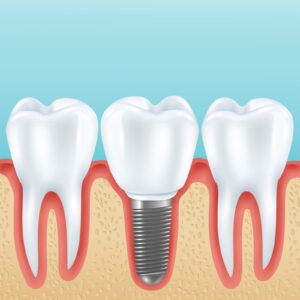
A dental implant is a small titanium post placed into the jawbone to replace the root of a missing tooth. Over time, the implant bonds with the surrounding bone through a process called osseointegration. Once healing is complete, a custom-made crown is attached, creating a replacement that looks and functions much like a natural tooth.
According to the American Academy of Implant Dentistry, dental implants have high long-term success rates and are considered one of the most predictable methods of tooth replacement.
Why Are Implants Different?
Unlike removable dentures, implants are fixed in place. Unlike traditional bridges, they usually do not require neighbouring healthy teeth to be altered.
The benefit patients appreciate most is stability. Being able to bite into an apple, enjoy favourite foods, or laugh without worrying about a denture moving can significantly improve quality of life.
Who Is a Good Candidate?
Dental implants are often suitable for adults with healthy gums and adequate bone support. Even if bone loss has occurred, procedures such as bone grafting may make implants possible.
Caring for Your Implant
Brush and floss daily.
Attend regular dental examinations.
Avoid tobacco use.
Address gum disease promptly.
The Takeaway
Dental implants are not simply a cosmetic treatment; they are an investment in long-term oral function and confidence. Replacing a missing tooth can restore comfort, preserve jawbone health, and allow you to enjoy everyday activities without hesitation. In many cases, an implant doesn’t just replace a tooth—it restores a sense of normalcy that people didn’t realise they had been missing.